dejar un mensaje
Si está interesado en nuestros productos y desea conocer más detalles, deje un mensaje aquí, le responderemos lo antes posible.

Paso 1: Compruebe el índice de sombreado (el indicador más importante).
El índice de sombra se refiere al porcentaje de luz solar que la malla de sombreo puede bloquear. En el mercado, se suele utilizar el número de puntadas (por ejemplo, 2 agujas, 3 agujas, 6 agujas, etc.) para indicar los diferentes índices de sombra. La selección puede realizarse según el propósito de la plantación, como se muestra a continuación:
Nivel de sombreado / Número de puntadas | Plantas y escenarios adecuados
30% - 40% (aprox. 2-3 agujas) | Protección solar para frutas y verduras que necesitan mucho sol: tomates, pimientos, pepinos, berenjenas. Previene las quemaduras solares en verano sin perjudicar el crecimiento de la fruta.
50% - 60% (aprox. 4-6 agujas) | Opción universal para jardinería general: la mayoría de las suculentas, hortalizas de hoja comunes (lechuga, espinaca), hortensias, enraizamiento y aclimatación de plántulas de rosa, etc.
70% - 85% (aprox. 8 agujas o más) | Plantas amantes de la sombra y cultivo de plántulas: orquídeas, clivias, helechos, plántulas jóvenes recién trasplantadas que se encuentran en la etapa de aclimatación o esquejes sin raíces.
Paso 2: Verificar el material y el proceso de tejido.
En el mercado existen dos tipos principales de materiales y procesos de fabricación de mallas de sombreo, que determinan directamente su durabilidad y su resistencia a la lluvia:
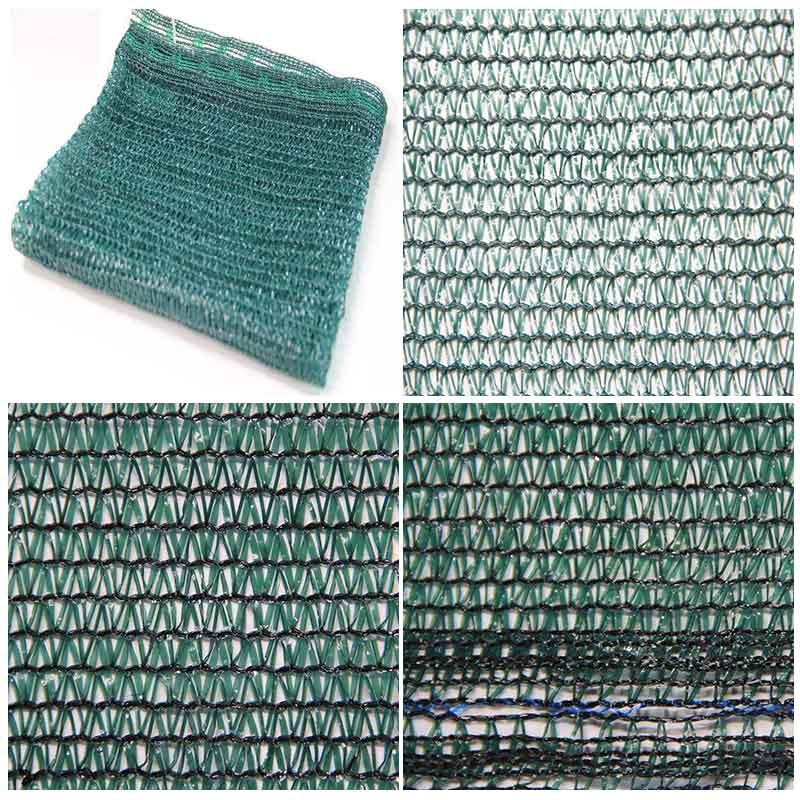
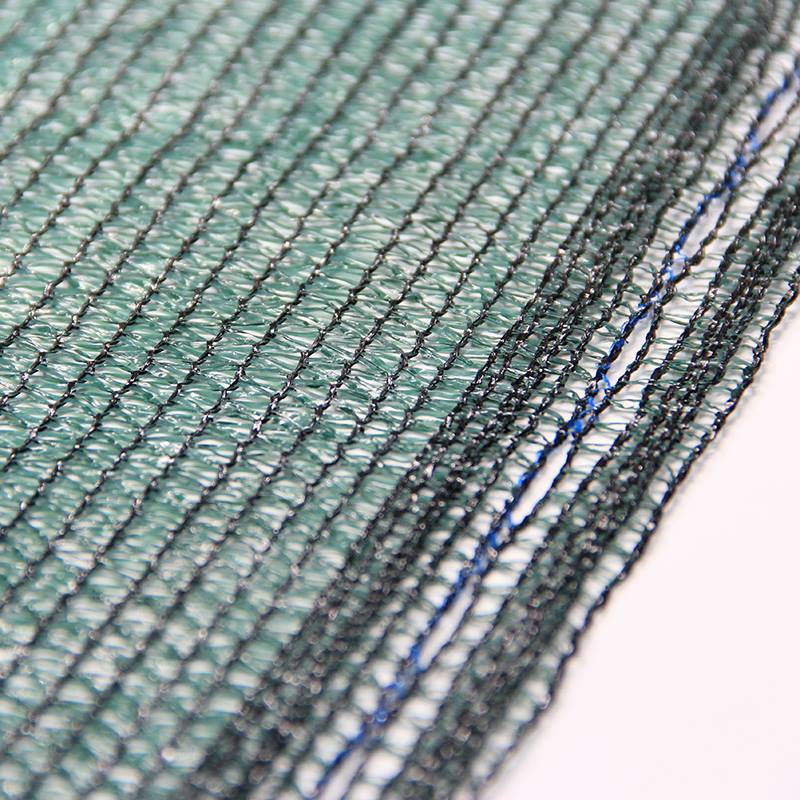
1. Malla de sombreo de alambre plano (tanto los hilos de urdimbre como los de trama son planos).
Características: Alto índice de sombreado y notable efecto refrescante. Gracias a la planitud de los alambres, la malla se puede fabricar fácilmente con una alta densidad.
Desventajas: Es pesado, tiene poca resistencia al viento y su vida útil suele ser de solo 1 a 2 años.
Adecuado para: Balcones, azoteas e invernaderos de suculentas que requieran un alto grado de sombra (superior al 70%).
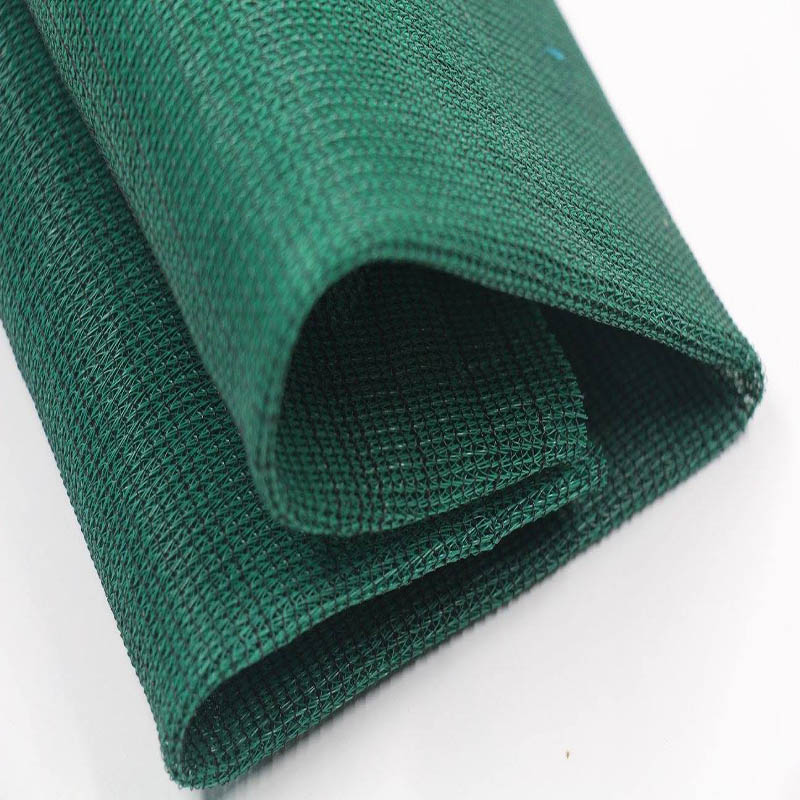
2. Malla de sombreo de alambre redondo/tejida (los hilos son redondos como los hilos de pescar).
Características: Textura ligera, resistente y a prueba de tensión, resistente al viento y al envejecimiento. Posee una excelente transpirabilidad y su vida útil suele alcanzar los 3-5 años.
Desventajas: Precio ligeramente más elevado.
Adecuado para: invernaderos de hortalizas, plantaciones a gran escala, zonas ventosas o entornos exteriores que requieran una instalación a largo plazo.
Paso 3: Seleccionar color
El color de la malla de sombreo no es solo una cuestión estética, sino que también afecta a la refracción de la luz y a la absorción del calor:
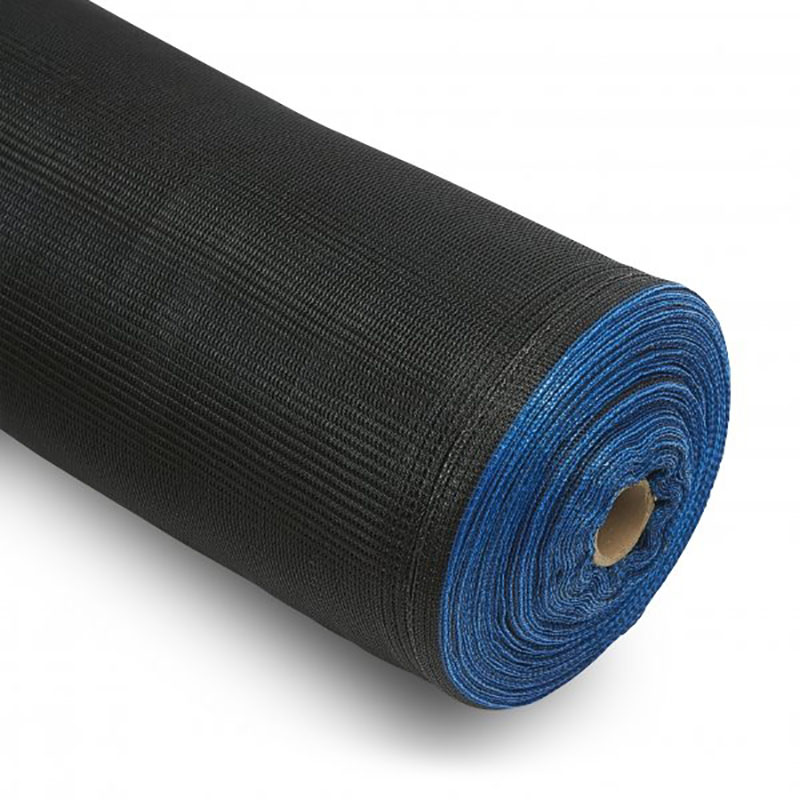
Negro (el más clásico): Ofrece la mayor capacidad de sombreado y absorción de calor. Aisla el calor en la propia malla, pero su desventaja es que el espacio bajo ella se vuelve sofocante si no hay ventilación. Es ideal para refrigeración intensa en verano.
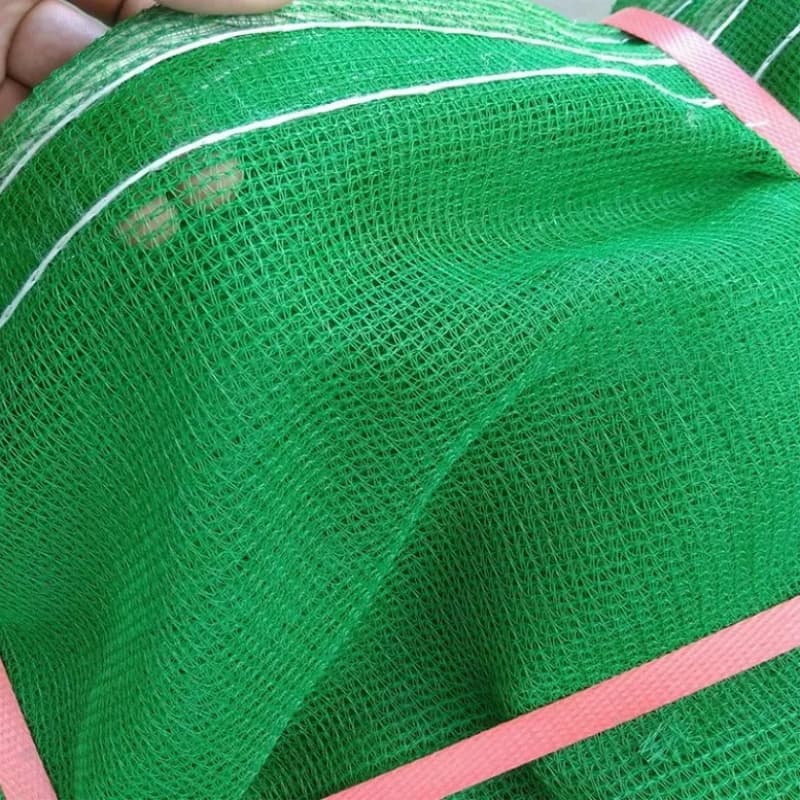
Verde/Plata: La luz filtrada a través de mallas verdes es más adecuada para la absorción por las hojas de las plantas y, además, resulta más estética. Las mallas plateadas reflejan la luz solar, proporcionando sombra sin oscurecer excesivamente el espacio bajo ellas, lo que las hace ideales para flores de alta gama e invernaderos.
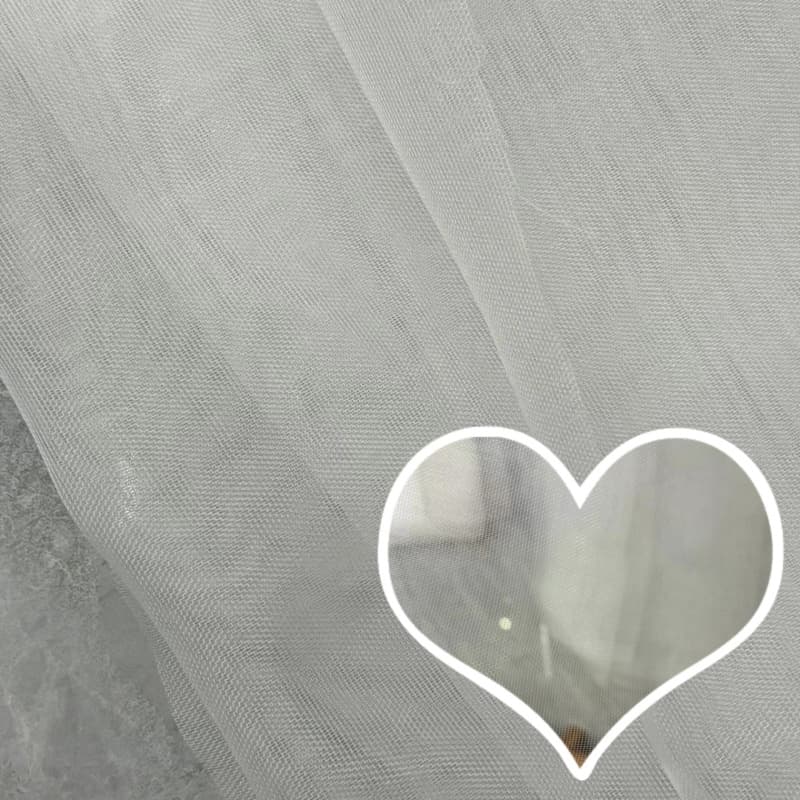
Blanco: Tiene un bajo índice de sombra (generalmente entre el 30 % y el 40 %), utilizado principalmente para difuminar la luz y evitar que la luz intensa se concentre y queme las plantas. Es adecuado para cultivos que requieren tanto alta intensidad lumínica como protección solar.
Paso 4: Inspeccione los detalles de la artesanía.
Al comprar en línea o después de recibir el producto, prestar atención a los siguientes detalles puede ayudarle a evitar errores comunes:
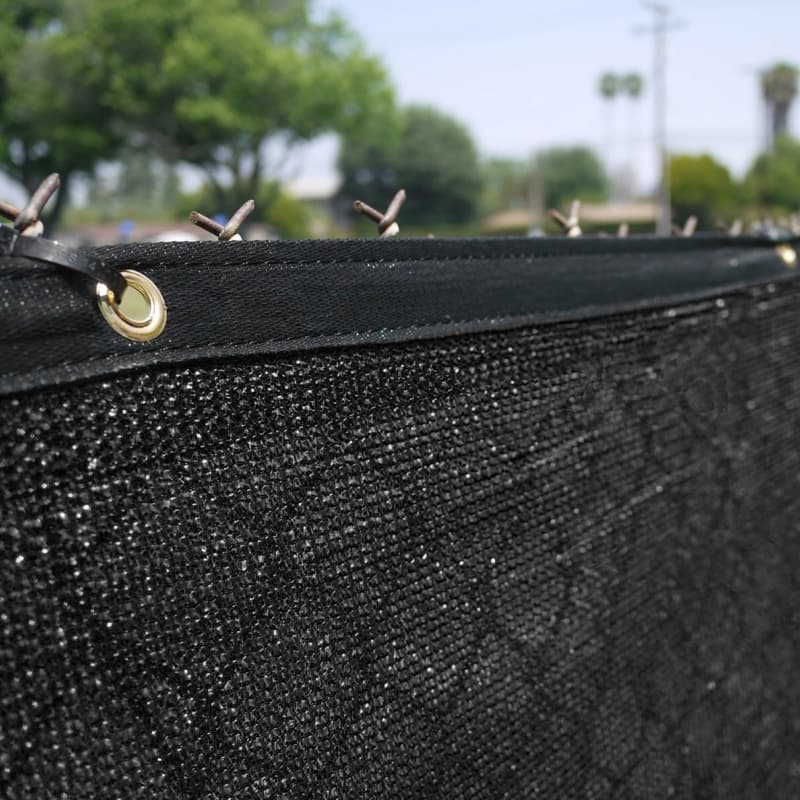
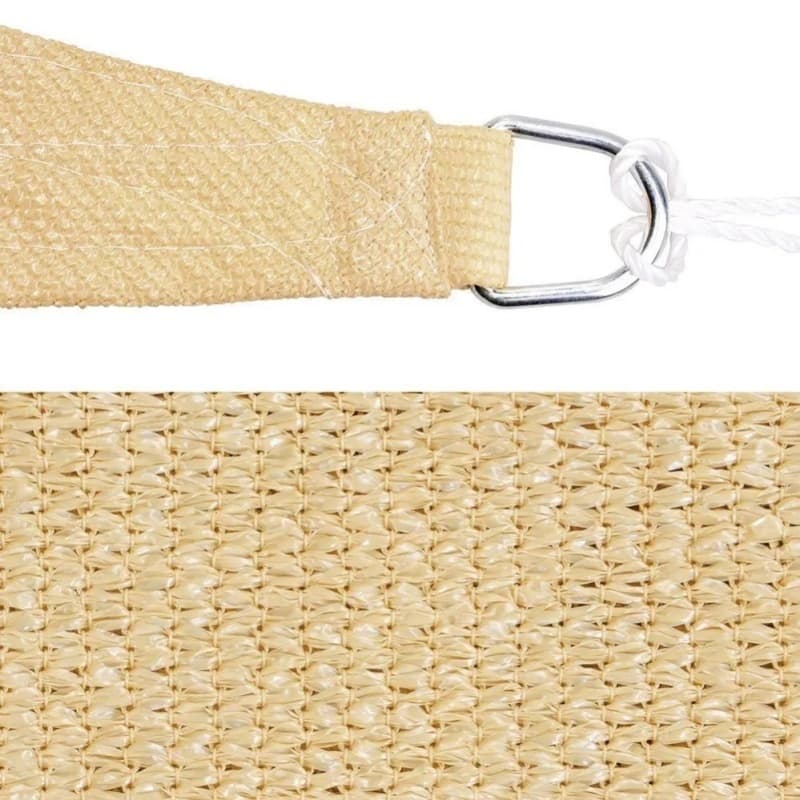
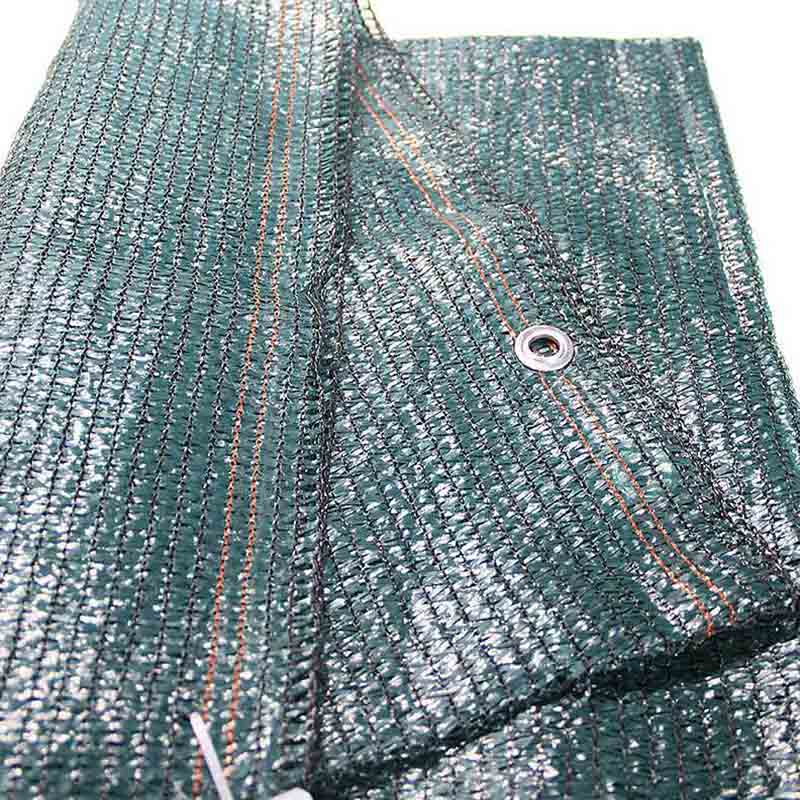
Verifique que tengan bordes rematados y agujeros perforados: Adquiera siempre mallas de sombreo con bordes rematados y agujeros perforados. Las mallas sin rematar se deshilachan y se rompen al cortarlas; las mallas con ojales metálicos (agujeros perforados) son muy prácticas para colgar y son más resistentes a la erosión del viento.
Olor a plástico: Las mallas de sombreo de alta calidad están hechas de material nuevo (polietileno de alta densidad, HDPE) y, al desempaquetarlas, solo tienen un ligero olor a plástico o ninguno. Si percibe un olor fuerte y penetrante al abrir el paquete, la malla está hecha principalmente de plástico reciclado. Este material no solo tiene una vida útil corta (se vuelve quebradizo con la exposición al sol), sino que los gases nocivos que libera también dañarán las plantas.
Recomendaciones de compra para principiantes
Si cultivas flores y hortalizas en el balcón de tu casa, puedes buscar y comprar directamente "malla de sombreo tejida de 3 a 6 agujas con bordes rematados y perforaciones, en negro o verde". Este tipo de malla ofrece la mejor relación calidad-precio, es resistente y fácil de instalar en un balcón o junto a una ventana.

 Red IPv6 compatible
dejar un mensaje
Escanear a WeChat :

Escanear a WhatsApp :




 English
 español